Diagram 01: Berlin Transcripts
In exploring different methods of drawing, the intrinsic logic of manhattan transcripts sequencing the context, its present and the dynamic speculation became a useful tool in conveying the varied ideas associated with the project. These notations were re-interpreted to adapt to the design project while keeping Tschumi’s idea of using “events as triggers” intact. Here, events of history become triggers to evoke a new imagination for the present. Frame A sets the stage for decoding its own logic in Frame B and sparking a new reality in Frame C.
In representing the architectural project, Frame C explains the conceptual underpinnings of the project to the larger audience.
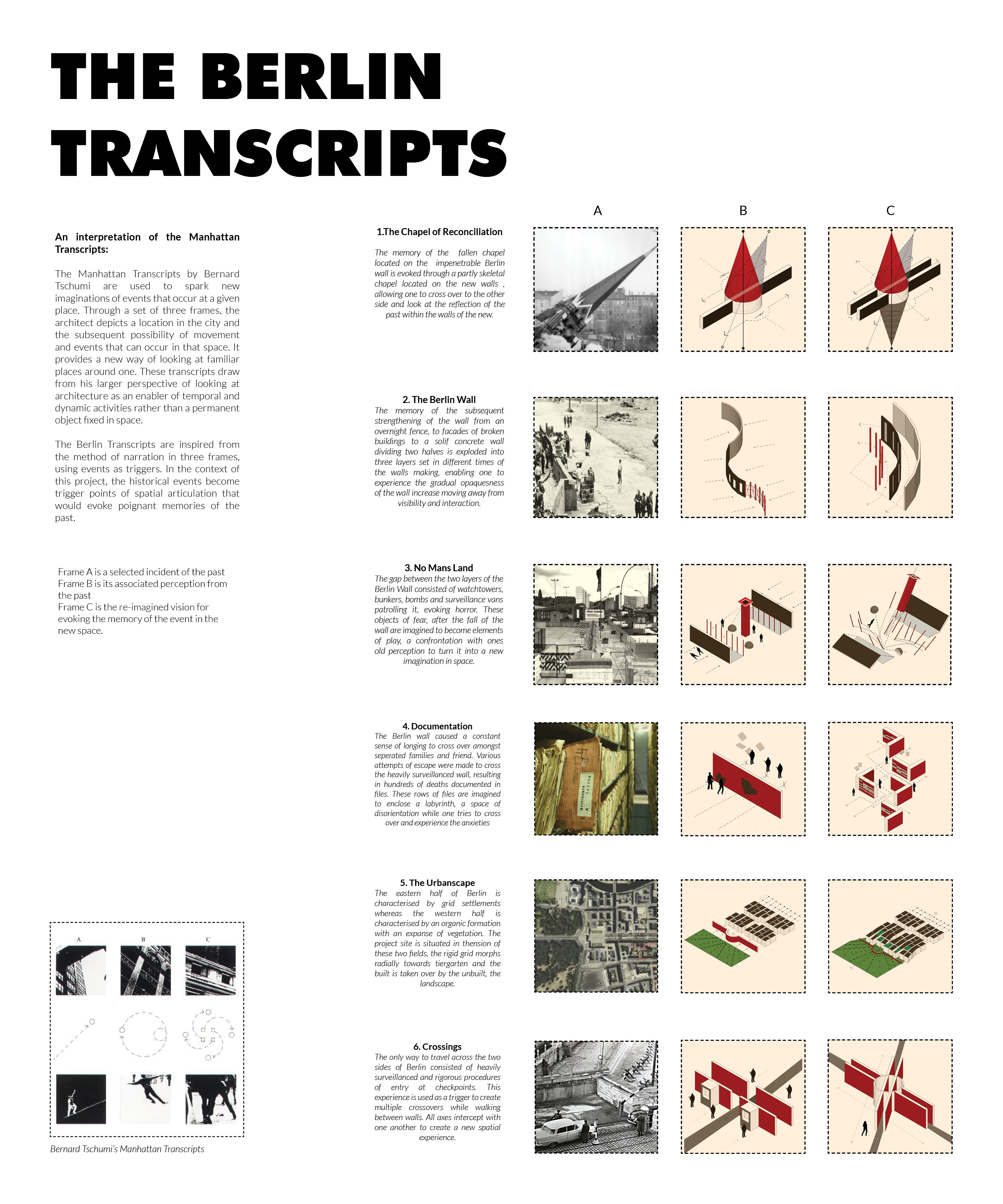
Diagram 02: The Berlin Mound, An Exploded Axonometric Drawing
The axonometric while showcasing the different layers of the project, is subjected to a distortion in scale of the individual parts to create an emphasis.It is inspired from Tshumi’s visual style of exploded axonometric drawings that involve the use of various primary and secondary axes. The organic explosion is an abstraction of the multiple forces guiding the project, the entropy of the individual ideas that contribute coherently to the larger project.
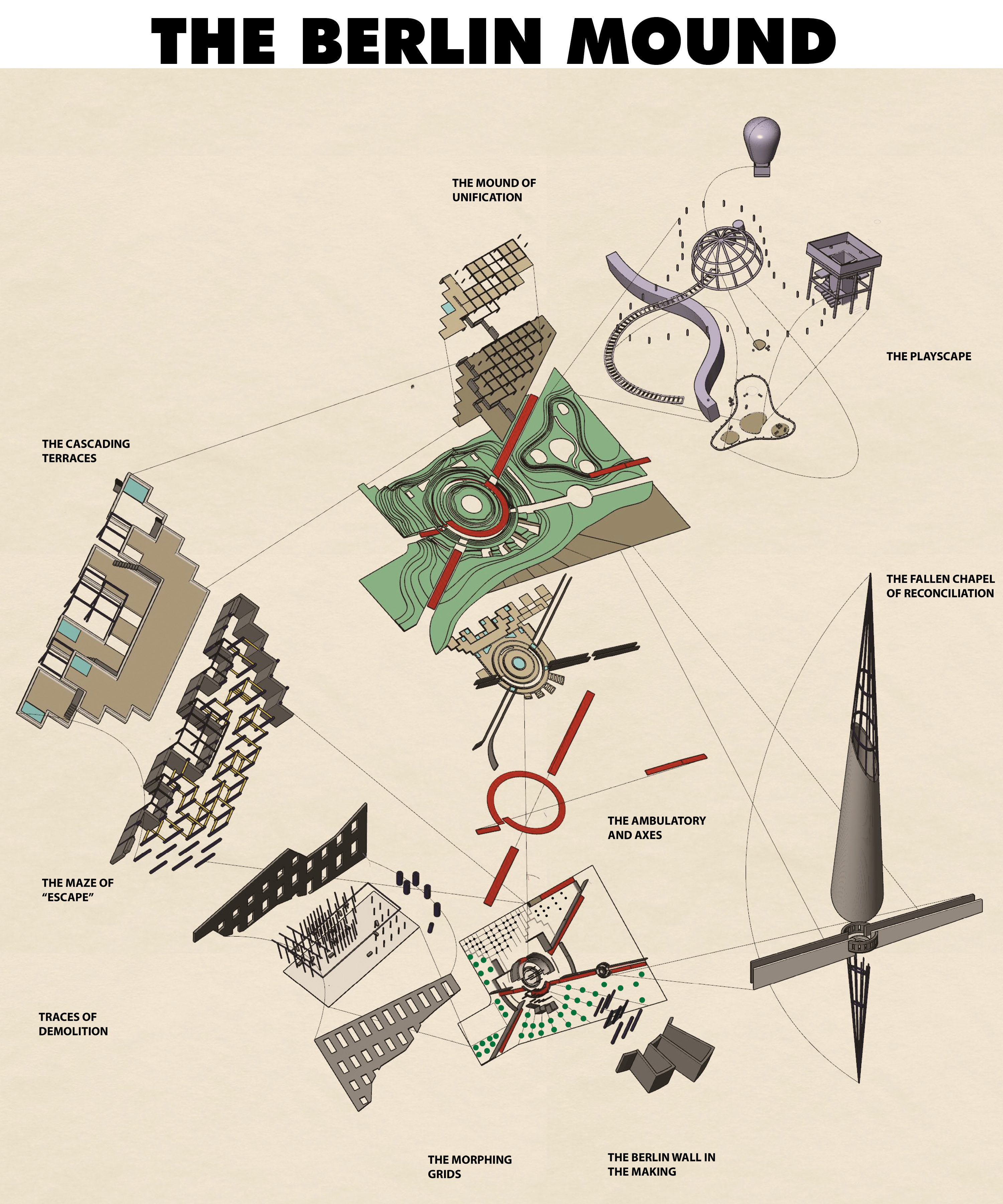
Diagram 03: The Berlin Mound, Axonometric Drawing as a Process
As an integral part of the design process, the exploded axonometric drawing drawn at an intermittent stage gives insight into the primary layers of the project. It utilizes primary colours to distinguish between the built, unbuilt(landscape) and ambulatory components of the project and highlights their intersections at various levels.

Note: These drawings were executed as studio projects for AR 3030 ‘Between the Fractures, Fields & Flows’ – Spring Semester’ 23, L 3 Studio, CEPT University undertaken by Professor Percy Pithawala.
 FOLIO
FOLIO 